Chair
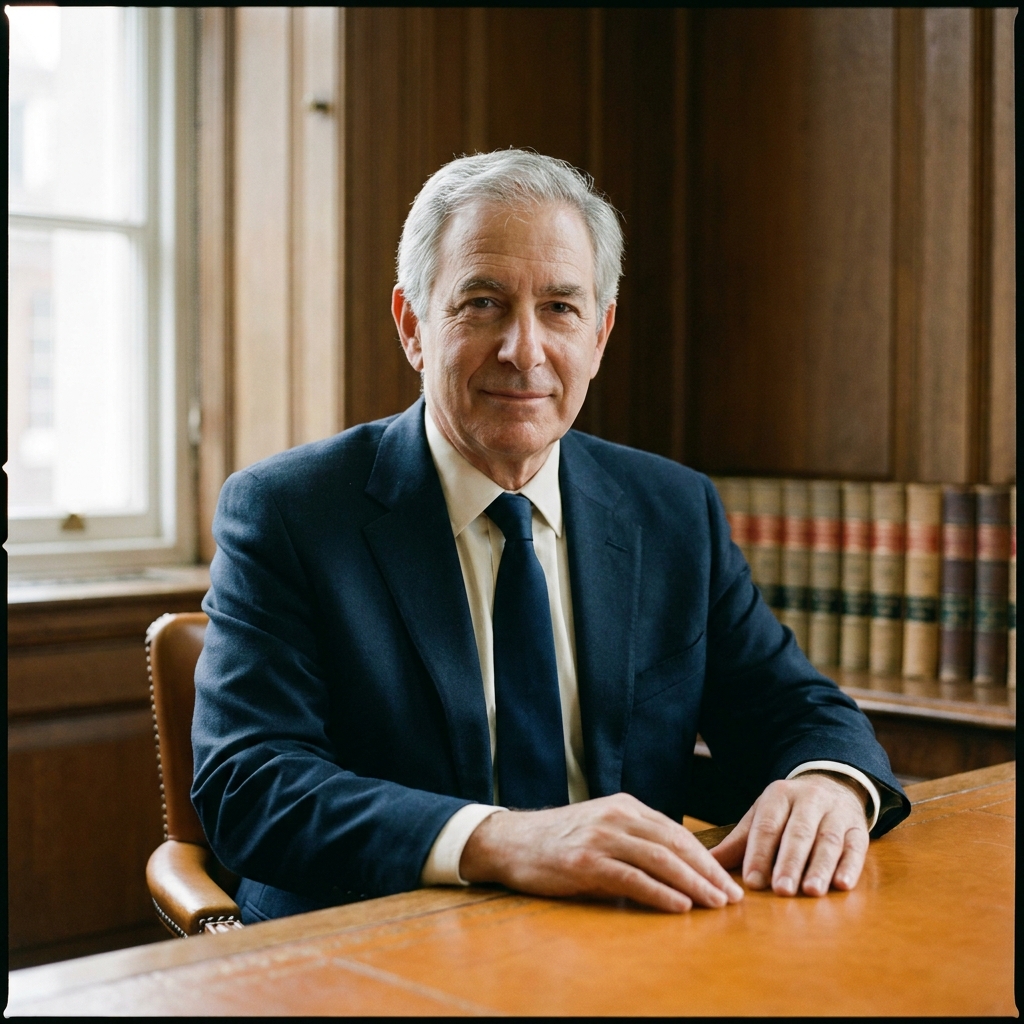
David Gerard Goldberg
Chair of the trustees. A barrister at Gray's Inn Tax Chambers; appointed under the original deed and serving in that role for a number of years.
About the Trust
BASH TRUST is an endowment charity registered in England and Wales under number 220011. We exist to fund the necessary works on the Plymouth Hebrew Congregation's synagogue at Catherine Street, and to support the religious education of those who worship there.
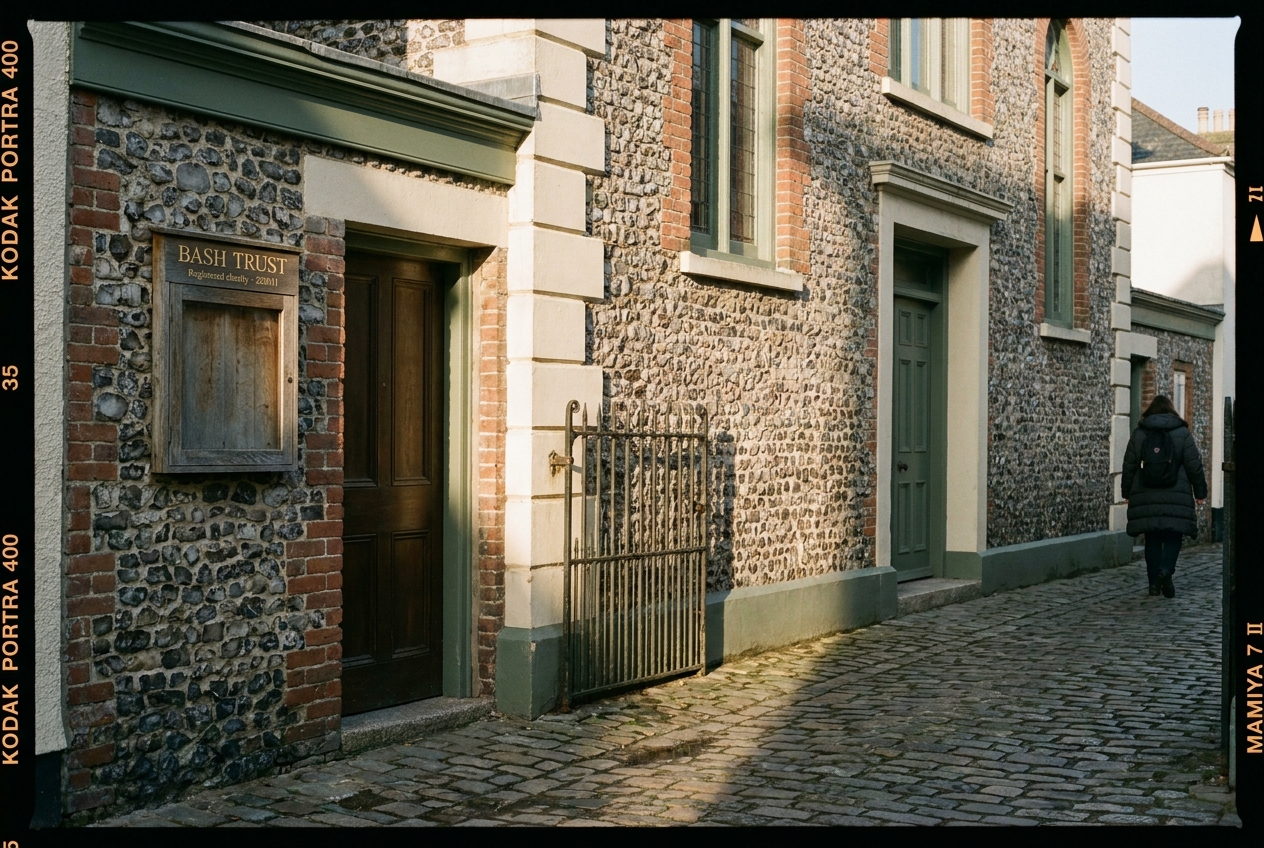
The Trust was registered with the Charity Commission on the thirteenth of October 1963 — a Sunday — by a small group of senior members of the Plymouth Hebrew Congregation. The instrument was simple. An endowment would be held in perpetuity, and the income from that endowment would be used to fund the necessary works at the congregation's buildings for the maintenance of worship and for religious education. That is still, sixty-two years later, the only purpose for which any pound passes through these accounts.
The congregation itself is older — much older. The synagogue at the north end of Catherine Street was consecrated on the twenty-sixth of August 1762, which makes it one of the oldest still-functioning Ashkenazi synagogues anywhere in the English-speaking world. It is Grade II* listed. Its interior has scarcely changed in two and a half centuries. The Trust did not build it. The Trust only keeps the rain out and the lights on.
We are deliberately small. The income reported to the Commission for the year ending 5 April 2025 was £8,422 and our expenditure was nil — a quiet year, in which the endowment grew and the building did not call upon it. Other years are busier. The picture across a decade is one of steady reserves, periodic outlays, and a habit of saying no to anything that drifts beyond the deed.
The Plymouth Hebrew Congregation has worshipped on Catherine Street since 1762, when a group of Ashkenazi Jewish merchants and naval contractors purchased the freehold of the small plot and built a meeting house above a row of leaning brick warehouses. They built it modestly, as their charter required them to do. Most of the original fittings — the carved bimah, the Aron Kodesh, the polished oak benches — are still in place.
By the early 1960s the building had reached a point at which periodic small works could no longer be met out of the congregation's annual subscription. In October 1963 two senior members made a one-off gift of a sum sufficient to generate an income that, properly held, could meet the building's small but regular needs in perpetuity. That deed of trust, settled at a solicitor's office in central London and registered with the Charity Commission within the month, is the document we still operate under.
"To provide funds for necessary works at the Plymouth Hebrew Congregation's buildings for the maintenance of worship and for religious education."
1762
Eighty-six years before Britain's Jewish Relief Act, a small Ashkenazi congregation completes its meeting house in Plymouth. The building is in continuous use from that date.
1874
The roof is re-slated under the supervision of a local builder named Coombe. Wardens' minutes record that the cost is met by a one-off subscription of one shilling per family.
1941
Catherine Street suffers heavy damage to surrounding properties during the bombing of Plymouth. The synagogue itself survives — a survival the congregation considers little short of miraculous.
1963
The deed of trust is settled on 13 October 1963 and registered with the Charity Commission as a "Standard registration" under number 220011.
1979
The Trust funds the consolidation of the women's gallery floor following a long-running concern about deflection in the central beam.
1998
Historic England (then English Heritage) reaffirms the building's listing at Grade II*, in recognition of its survival as a near-complete Georgian synagogue interior.
2012
A small series of anniversary services is held; the Trust funds the printing of a new edition of the congregation's Shabbat siddur, set in Caslon to match the building's original prayer books.
2022
A second anniversary is marked, quietly. A small grant funds the conservation of the synagogue's pair of 18th-century silver candlesticks.
2025
Following the quinquennial inspection, the Trust opens a small appeal for the conservation work on the central bimah — see our news pages.
BASH TRUST is governed by two trustees, both of whom serve unpaid. Their names, as recorded on the public register of charities, are below. Neither trustee is involved in the day-to-day operation of the synagogue itself, which is run by the congregation's elected wardens. The trustees meet, formally, three times a year — usually at chambers in London — and informally as often as the work requires.
Chair
Chair of the trustees. A barrister at Gray's Inn Tax Chambers; appointed under the original deed and serving in that role for a number of years.
Trustee
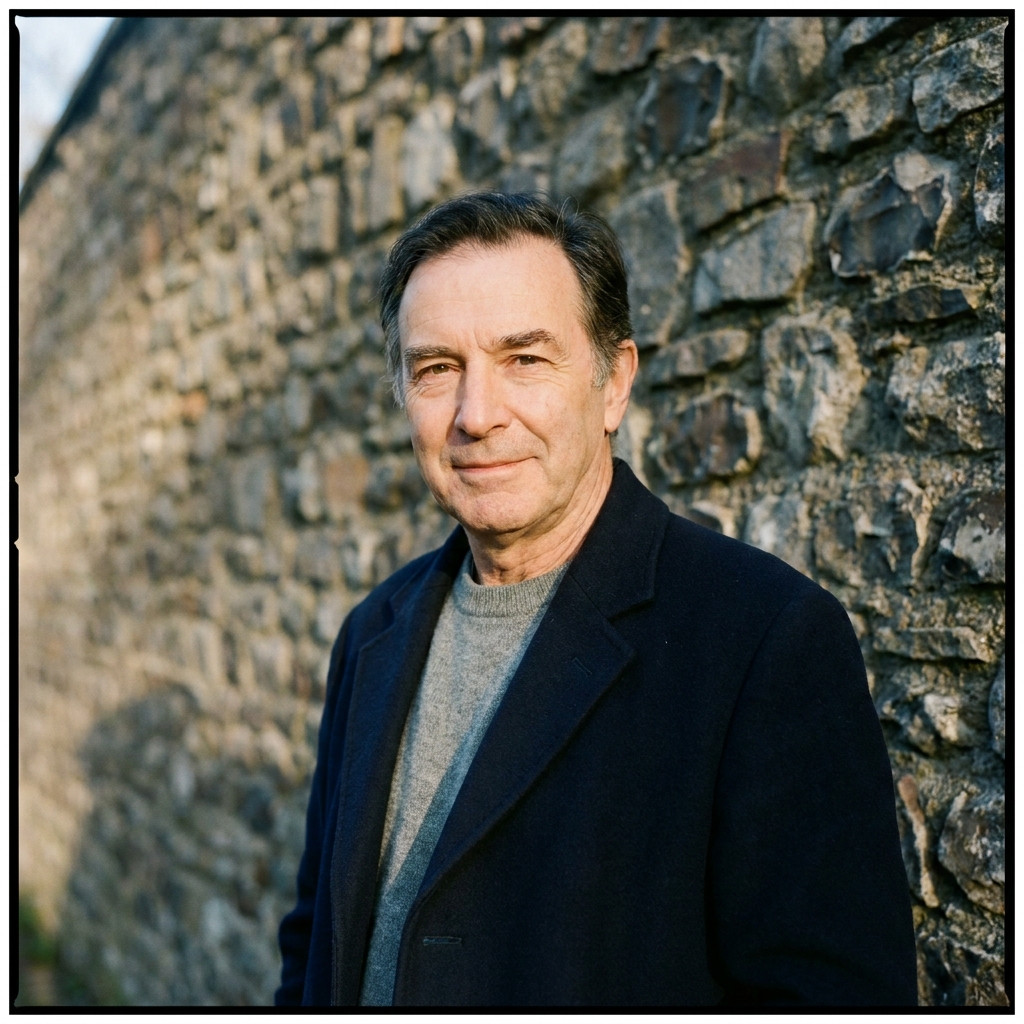
Trustee. Long-standing connection with the Plymouth Hebrew Congregation; the Trust's principal point of liaison with the wardens and the synagogue's architect.
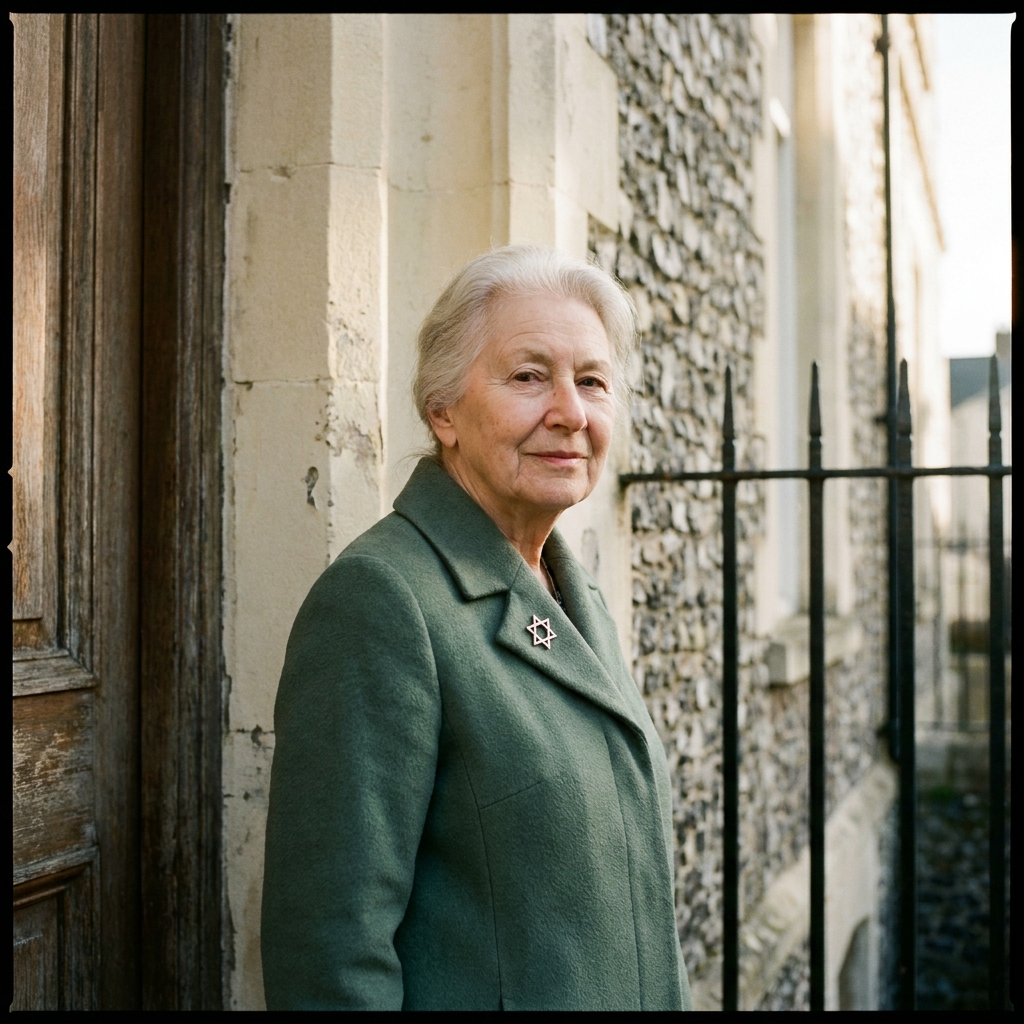
Liaison · warden
Senior warden of the Plymouth Hebrew Congregation. Not a trustee of BASH TRUST, but the congregation's principal point of contact for grant applications.
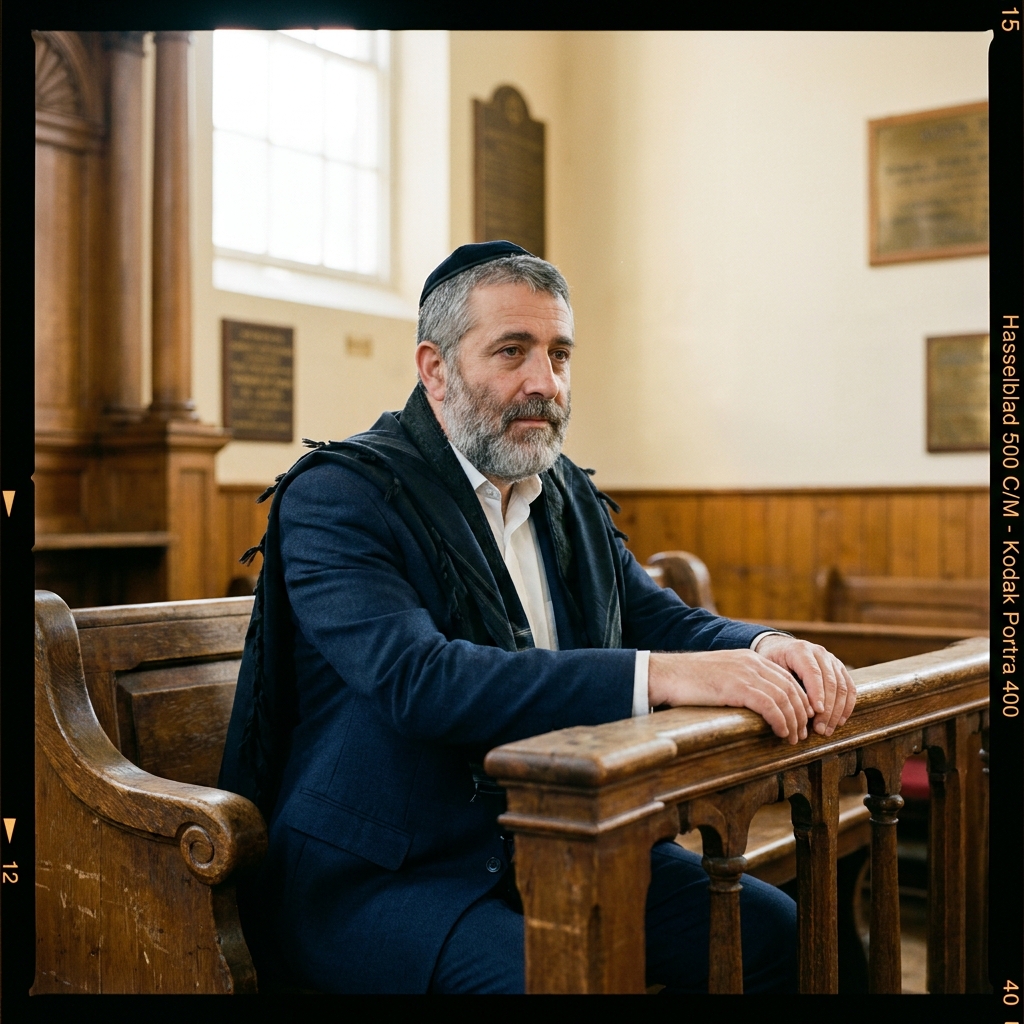
Visiting rabbi
The congregation's visiting rabbi, who travels down from London for festival weekends. The Trust funds his travel and accommodation under the Religious Education programme.
BASH TRUST is governed by its founding deed and by the general law of charity in England and Wales. It is regulated by the Charity Commission for England and Wales. The Trust does not have employees. It does not commission consultants. Its accounts are independently examined each year by a firm of chartered accountants in London. The trustees neither receive nor claim any remuneration, and the deed expressly prohibits the payment of expenses beyond actual disbursements properly evidenced.
The Trust is not registered for Gift Aid; the cost of administering the scheme is not warranted by the volume of donations we receive. We are, however, fully transparent about every grant we make: each one is listed in the annual report.
For the year ending 5 April 2025, the most recent year for which figures are filed with the Charity Commission:
A fuller picture, including narrative on the year, is set out in the annual report, which you can read alongside earlier years on our reports page.
The fastest way to reach the trustees is by writing to [email protected]. We answer ourselves and, as a tiny office, we ask for up to three working days. The Trust's registered office is in central London; the building we work for is in Plymouth. You can find both, with maps, on our contact page.
A gift of any size goes through the deed and into the fabric account. None of it is spent on administration.
Support the Trust