Grant Programmes
Three small funds, set up to do one careful thing each.
All our grant-making sits under the deed of 1963. Every pound we award is reported in the annual accounts. We do not fund overheads, salaries, marketing, or anything that drifts away from the fabric or the teaching of the Catherine Street synagogue.
Programme · One
The Catherine Street Fabric Fund.
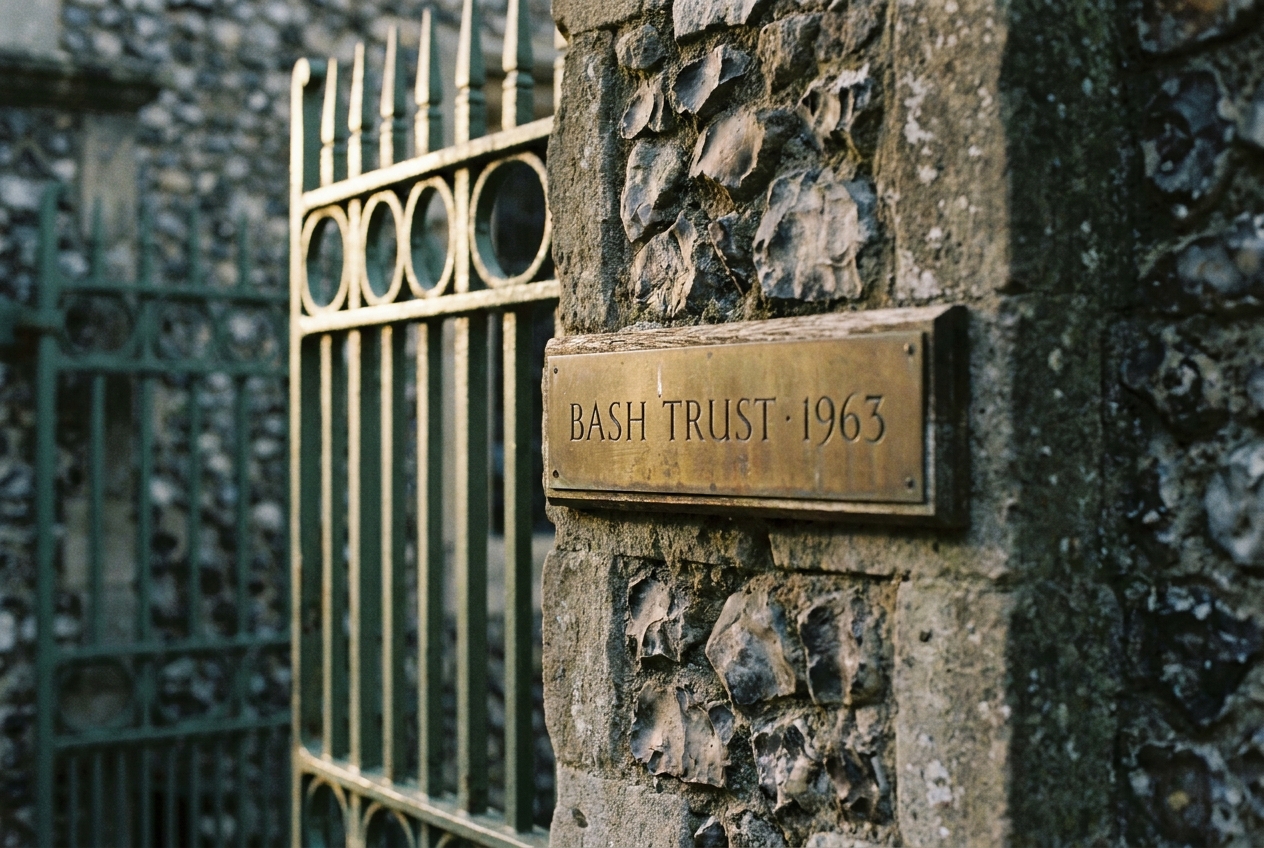
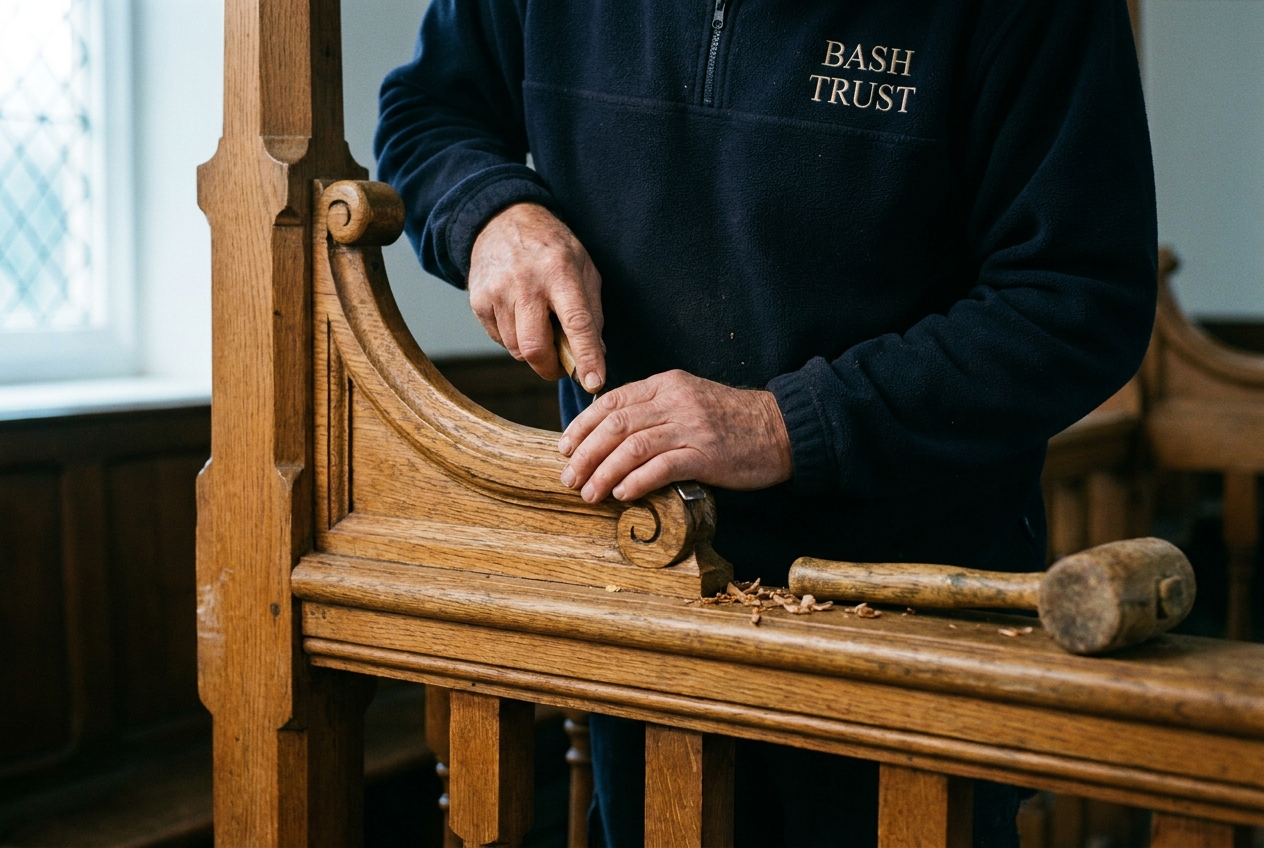
Our largest programme by value in most years, the Fabric Fund pays for the necessary works on the synagogue building itself: roof, render, leadwork, joinery, the bimah, the Aron Kodesh, the women's gallery floor, the small ancillary rooms behind the prayer hall, and the iron railings on Catherine Street. Grants are typically in the range £200 to £2,500. Larger projects are funded across two or three years out of accumulated reserves.
Who benefits: the Plymouth Hebrew Congregation's worshippers, who number in the dozens at a typical Shabbat and in the low hundreds at High Holy Days; the visiting public who come to the building during Heritage Open Days; and the wider record of Anglo-Jewish heritage.
Geography: a single Grade II* listed building at the north end of Catherine Street, Plymouth.
How a grant is made: an application is submitted by the wardens, accompanied by an estimate, a brief specification, and (for any work on the listed fabric) a note from the synagogue's appointed architect. The trustees consider applications at their three scheduled meetings each year; in urgent cases a decision can be taken by correspondence within seven days.
Supported by: the work is undertaken in cooperation with Jewish Heritage UK and, where Listed Building Consent is required, in dialogue with Plymouth City Council and Historic England.
Programme · Two
The Religious Education Bursary.
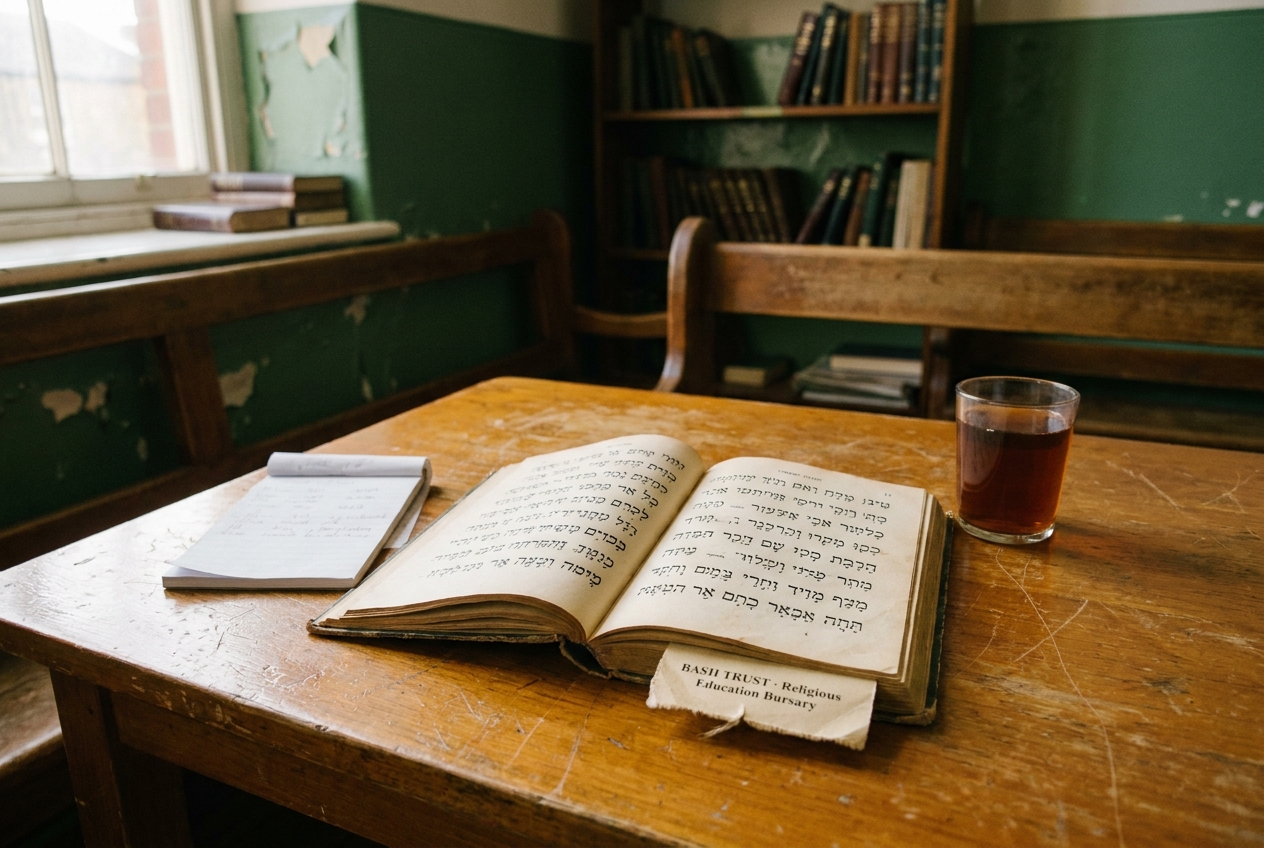
The deed names "religious education" as one of two purposes for which the Trust may apply funds. In practice this is the smaller programme by value but the busier programme by number of grants. Awards are typically in the range £75 to £400, and cover the cost of teachers' honoraria, prayer books, primers, hire of a hall for adult learning, and travel for visiting rabbis and scholars between London and Plymouth.
Who benefits: children in the congregation's Sunday cheder (typically eight to twelve at any one time), and adult learners — usually six to ten — who attend the Tuesday-evening study group at the synagogue.
Geography: the congregation's premises at Catherine Street, plus occasional study weekends held at retreat houses in Devon and west Cornwall.
How a grant is made: applications are made by the congregation's education co-ordinator, in writing or by email. The trustees expect to see a short list of intended uses and a copy of the receipt within thirty days of any awarded sum being spent.
Supported by: the Religious Education Bursary is sometimes co-funded with The Council of Christians and Jews and the Board of Deputies of British Jews, both of which have, on occasion, contributed to particular study weekends.
Programme · Three
The Heritage Conservation Grant.
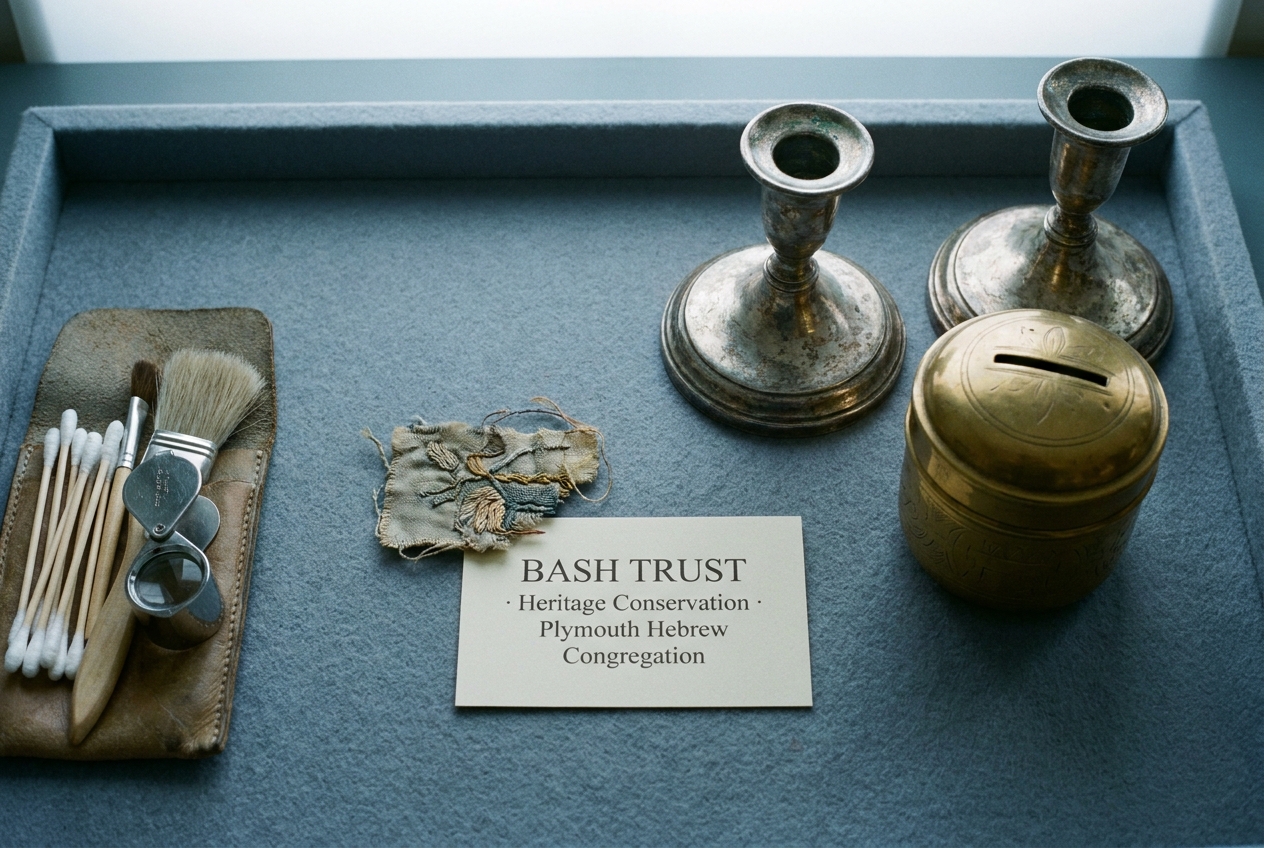
The smallest of our three programmes, and the one most easily overlooked. The Heritage Grant funds the conservation of the moveable heritage held by the congregation: the silver candlesticks, the alms box, the small collection of 18th- and 19th-century textiles, and the paper archive — minute books, marriage registers, the school exercise books from the 1930s, and the wardens' correspondence from before and after the Plymouth Blitz.
Who benefits: the congregation itself, future researchers of Anglo-Jewish history, and (occasionally) the wider scholarly community via small loans of items to other institutions for exhibition. We have lent silver to the Jewish Museum in London twice in the last decade.
Geography: the items live at Catherine Street; conservation work is generally carried out off-site by accredited conservators, most often in Exeter or in Bristol.
How a grant is made: applications must be accompanied by an estimate from a conservator registered with the Institute of Conservation (Icon). Awards over £500 require a second quote.
Supported by: the Heritage Conservation Grant is run in consultation with Jewish Heritage UK and, on the textile side, with the South West Museum Development Programme.
How to apply.
If you are involved with the Plymouth Hebrew Congregation and you have a project that you believe falls within one of our three programmes, please write to [email protected]. There is no formal application form. We ask for a short note (a paragraph or two), an estimate or quote, and any architect's or conservator's report relevant to the work. We aim to respond within ten working days, and to take a final decision at the next trustees' meeting.
We do not make grants to other organisations, however worthy. The deed names a single beneficiary, and we are not able to vary it.
A gift goes straight into the grant budget.
Every donation we receive is added to the grant budget for the year it is given.
Support the programmes