Community impact
A small congregation, a single city, a long count of years.
Our work serves one community: the Plymouth Hebrew Congregation, and the families, visitors, schoolchildren and researchers for whom the synagogue on Catherine Street is a living building. These are the numbers we know, and the people behind them.
Since 1963
0
years of grant-making, under one deed
Building
0
years of continuous worship on Catherine Street
Last year
£0
income, reported to the Commission for 2024–25
It is hard to write about the "impact" of a charity like ours without writing badly. Most of what we do is invisible — a slater on a Wednesday morning, a packet of Hebrew primers in the post, a small payment for a visiting rabbi's railway ticket. None of it is dramatic. None of it makes a press release. But the work has, over the years, accumulated into something worth a short page of words.
Where the work happens.
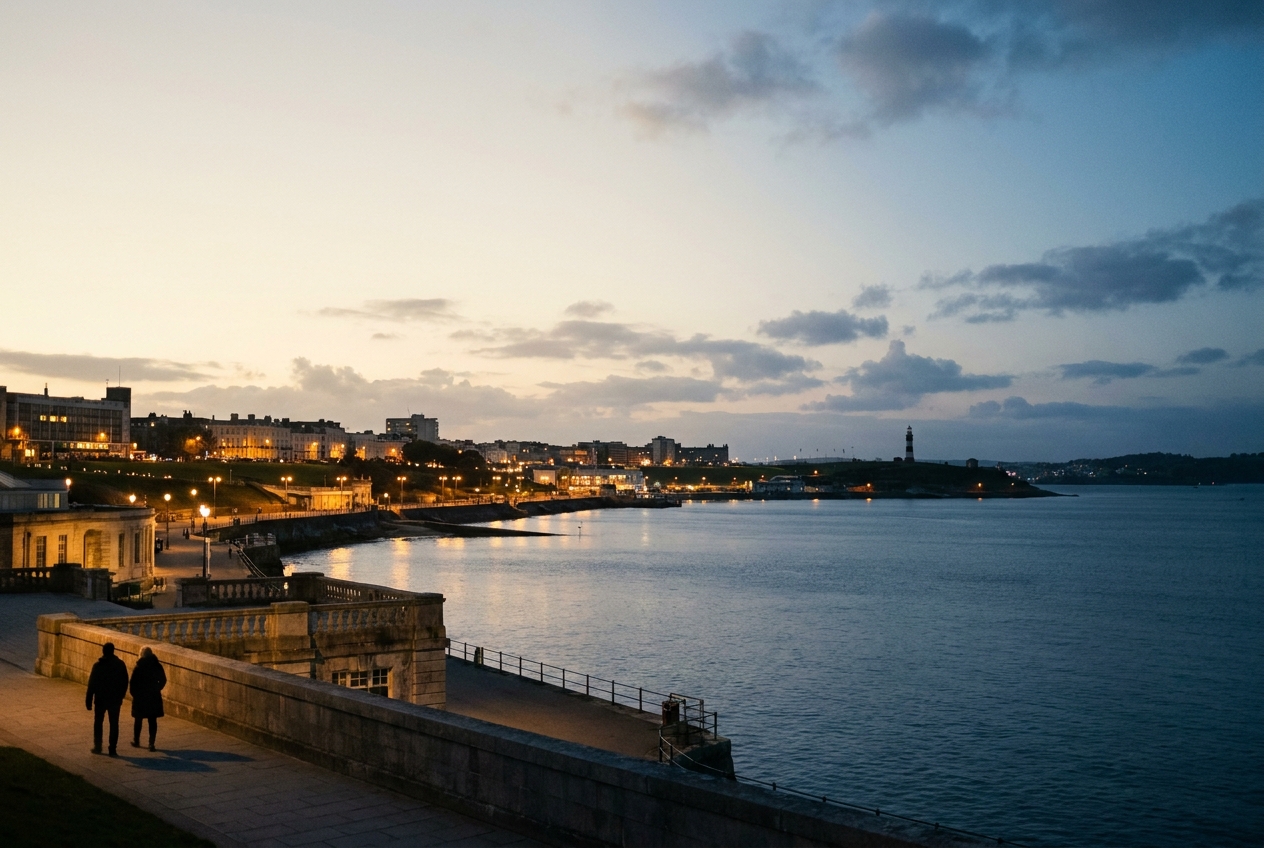
The synagogue is on Catherine Street, in the north end of Plymouth's old town. It sits a short walk from the city centre and a slightly shorter walk from the Hoe and Plymouth Sound. The congregation it houses is small — never large, by the standards of Anglo-Jewish congregations — but it has worshipped here continuously since 1762, surviving the Plymouth Blitz of 1941, the post-war decline of the city's Jewish population, and the long quiet of the 1970s and 1980s.
Our work, geographically, is therefore very narrow: a single building, on a single street, in a single city. Wider Plymouth feels the work obliquely. Schools from across the city visit the synagogue — Year Five classes on the religious education curriculum, sixth-form historians on the Anglo-Jewish topic, the occasional cohort of architecture students from the university. We do not run those visits. The congregation does. We pay for the printed handout, the seating, and the tea afterwards.
A few numbers, honestly.
We are wary of the temptation to inflate small numbers into large ones. Here are the figures as we believe them to be, drawn from our last annual report and from the wardens' own records:
- Worshippers at a typical Shabbat service: 18 to 35
- Worshippers at the High Holy Days: 110 to 180
- Children in the Sunday cheder: 8 to 12 in any given year
- Adult learners attending Tuesday-evening study: 6 to 10
- Schoolchildren visiting the synagogue annually: approximately 360, across 14 to 16 school visits
- Heritage Open Days visitors (over the two open days each year): approximately 280
- Grants made by the Trust in 2023–24: 7 awards, totalling £6,140
- Grants made by the Trust in 2024–25: 0 (a quiet year, as recorded)
Named partners on the ground.
We do not work alone, and we are wary of taking credit for what others do.
- Plymouth Hebrew Congregation — the beneficiary named in our deed. Every grant we make is on application from the wardens.
- Jewish Heritage UK — the national body for the preservation of historic synagogues, and a consultee on every fabric application of any complexity.
- Historic England — the listing authority. Consulted on works to the listed fabric.
- Plymouth City Council Conservation Team — the local planning authority. Listed Building Consent comes through here.
- The Council of Christians and Jews · Plymouth branch — a partner on inter-faith work, including the annual Holocaust Memorial Day commemoration.
- The Board of Deputies of British Jews — a partner on the wider work of Jewish life in the South West.
- The Devon Record Office — co-host of the synagogue's paper archive in a long-loan arrangement that allows researchers to consult the records under proper conditions.
Three stories, told elsewhere.
Three short stories from the last twelve months — about Margaret's return to the city, about Asher's work on the bimah, and about Eli's slow cataloguing of the archive — are published on our news pages. Each is a small thing. Together they are most of what we mean when we talk about impact.